


Your moving crew pulls up at 8 a.m., but the guard has no record of their arrival. Worse, the truck can't park on your street. Residential movers in Castle Pines must account for gate clearance, HOA moving hours, and streets that restrict large trucks. Our Castle Rock movers serve communities throughout Douglas County, where the right address makes all the difference on moving day.
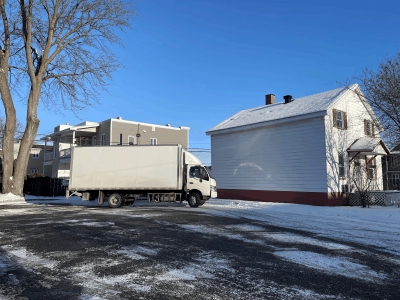
Your closing date lands in January, and every box has to cross the Continental Divide to reach your new Summit County home. Winter moving in Silverthorne takes planning around three things: ski weekend traffic, snow at both homes, and freezing temperatures that can damage your belongings. Our Denver movers account for those conditions before the truck heads west.
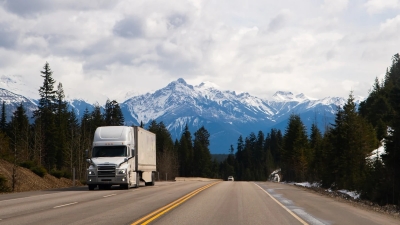
A loaded moving truck cannot treat the drive to Vail the same as a trip across Denver. Household moving in Vail means planning around the I-70 corridor, winter weather, building access, and the items that still have to arrive safely. Our mountain moving services coordinate those details from estimate to delivery for homeowners and renters moving into or out of the Vail Valley, whether you're coming from a Denver suburb, another state, or elsewhere in Eagle County.

A moving truck cannot always pull up to an apartment building and start unloading. Building access may involve a reserved loading area, scheduled elevator window, or advance notice to property management. Apartment movers in Littleton need to account for those details before moving day, and our Denver movers treat that coordination as part of the move, not as an afterthought.
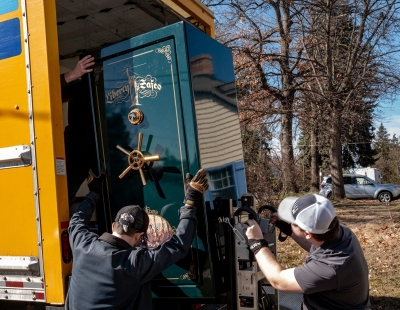
A gun safe does not move like a couch, and neither does a piano, pool table, or hot tub headed for a backyard in Founders Village. Heavy and specialty item moving in Castle Rock requires planning around the item's weight, dimensions, access points, and the equipment needed to move it safely. Narrow doorways, finished floors, awkward turns, and limited clearance can make one heavy piece more complicated than a room full of boxes.
