

Movers in Denver: What to Know About Moving Into Historic Homes
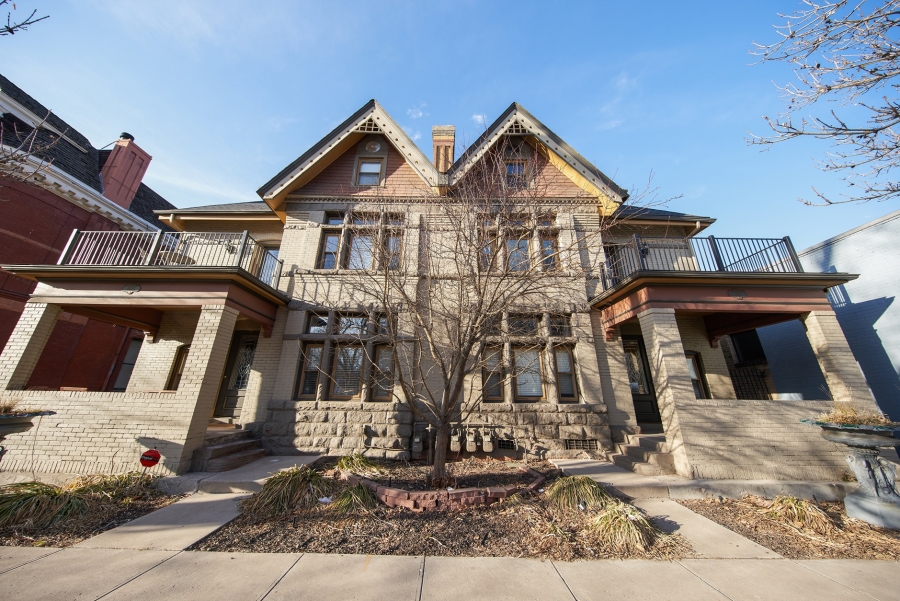
The queen box spring makes it halfway up the staircase, then stops at a turn built in 1895. Older houses in Capitol Hill, Washington Park, and the Highlands were never designed for modern furniture, so a move here takes different planning than a move into a newer suburb. Experienced movers in Denver measure entryways, protect original finishes, and plan around alleys and street trees.
What Makes Moving Into Historic Denver Homes More Challenging?
Historic homes in Denver can be harder to move into because their staircases, doorways, and hallways often have tighter clearances than those in newer homes. Denver has 60 historic districts, with many older homes located beyond their boundaries. Steep box stairs, tight landings, and slim doorways leave little room to pivot a sofa. Add plaster walls that crack instead of dent, and every carry needs a clear path before anything leaves the truck. Expect a longer day than a newer house of the same size would take, which matters when a move is billed by the hour.
How Do Movers in Denver Protect Original Floors and Woodwork?
Narrow spaces mean more contact with walls and floors, so protection goes down before the first piece of furniture moves. That means floor runners over original oak or fir, padded covers on door jambs, and wrap on banisters and newel posts. Corners and plaster walls on stairwells get padding wherever furniture has to turn. During your walkthrough, point out delicate trim, built-ins, and stained glass that need extra protection. Repairing original finishes can be costly, so ask how your moving company handles damage claims before booking.
How Can You Tell if Furniture Will Fit in a Historic Denver Home?
A rigid box spring is a classic example of furniture that can be difficult to maneuver around tight turns. A queen-size mattress measures approximately 60 by 80 inches, but the box spring's actual dimensions and rigidity determine how easily it can fit. Before moving day, measure your largest furniture pieces, stair widths, landing clearances, and door openings. Check basement stairs too, since they often have steeper steps and less overhead clearance. Split box springs, removable sofa legs, and furniture that can be disassembled may provide the clearance needed. Pieces that still won't fit can go into secure storage while you decide whether to replace them or rearrange the room.
How Do Denver's Alleys, Trees, and Parking Restrictions Affect Moving Day?
Moving challenges often begin before reaching the front door. Denver's older neighborhoods have rear alleys, narrow streets, and mature trees that can restrict truck access. A full-size moving truck may not clear low branches on a Baker side street, while a narrow alley behind a Park Hill foursquare may require a smaller vehicle. Photos or site visits help crews determine the best loading location. Mention steep front steps, raised lawns, or a detached garage, since each can affect the distance crews must carry furniture. Street parking restrictions and loading permits may also affect your plans, particularly in neighborhoods with limited truck access. Our local moving rules outline additional planning considerations.
Plan Your Historic-Home Move With Denver Movers
From Cheesman Park Victorians to Wash Park bungalows, our movers in Denver know how to navigate tight entryways, protect original finishes, and plan around limited truck access. Before moving day, share photos and measurements of narrow staircases, doorways, or oversized furniture so we can identify potential obstacles. Request an estimate to discuss your historic-home move.
